
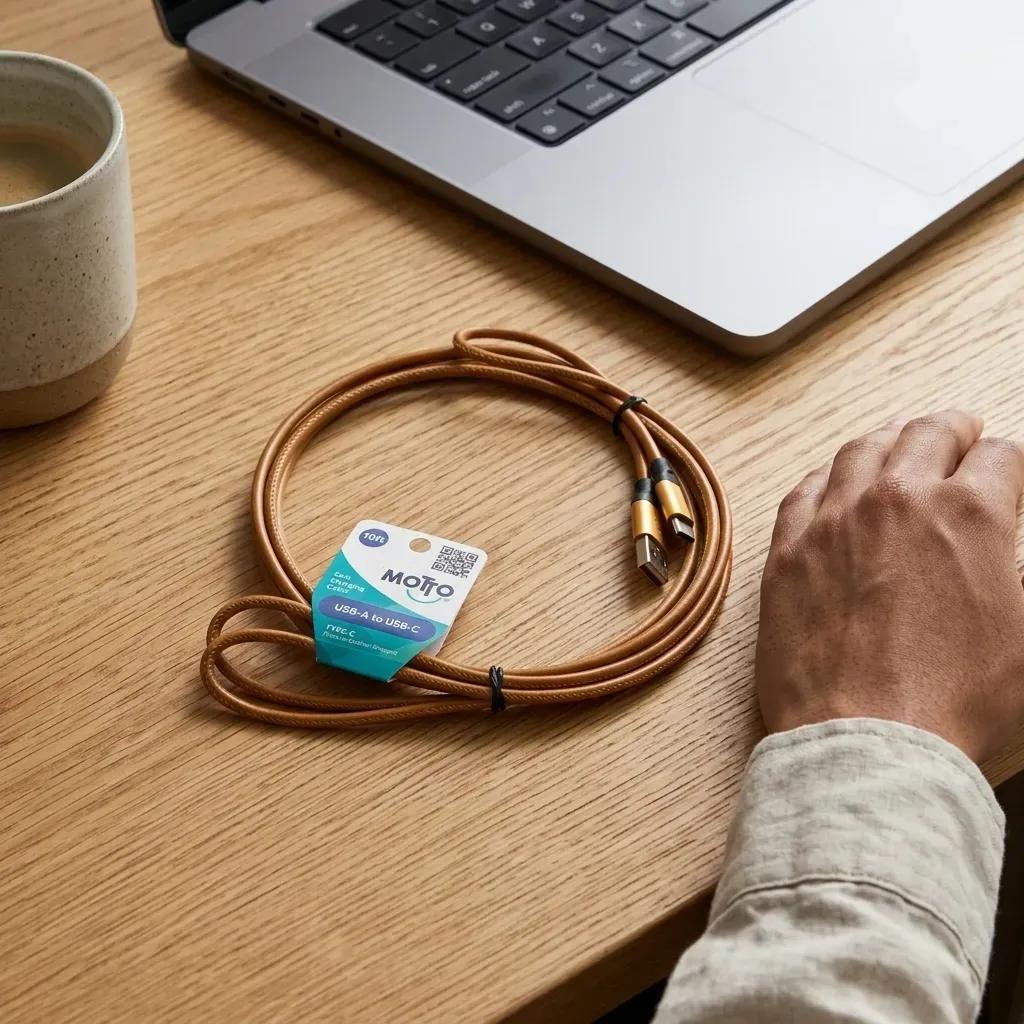
⚡ TL;DR: Leather-wrapped cables consistently outperform standard braided cables in bend cycle stress tests — surviving 10,000+ cycles before showing failure. Braided cables fray at the jacket seams under the same conditions. If durability and aesthetics both matter to you, leather wins. Motto leather cables start at $9.99.
Your charging cable is the most-abused accessory you own. It gets coiled, yanked, bent at sharp angles, stuffed in bags, and stepped on — every single day. So when it fails (and it will), the question becomes: why? And more importantly, which cable type lasts the longest before it does? The two most popular "durable" cable builds on the market are braided nylon/fabric cables and leather-wrapped cables. Both are marketed as premium upgrades over standard rubber cables. But they behave very differently under real-world stress. Here's the breakdown — backed by durability data, material science, and what actually holds up after months of daily use.
Featured Products
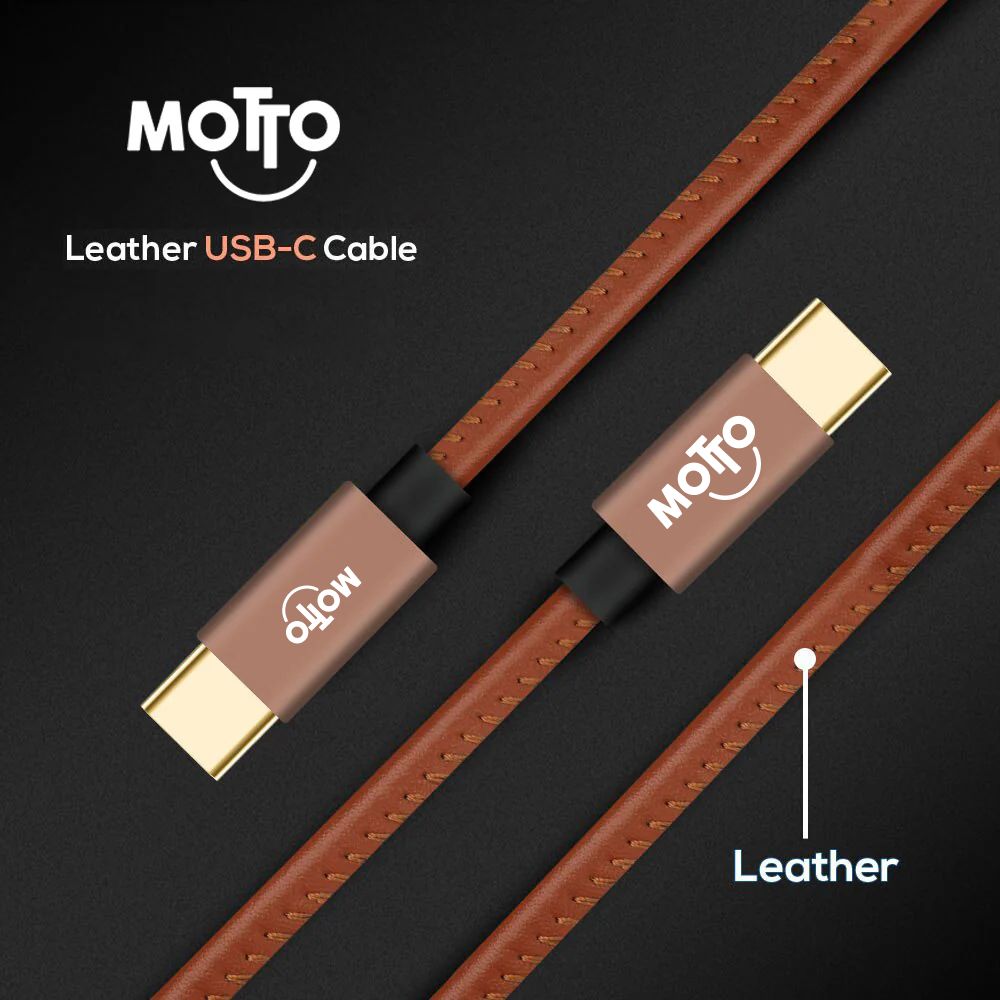
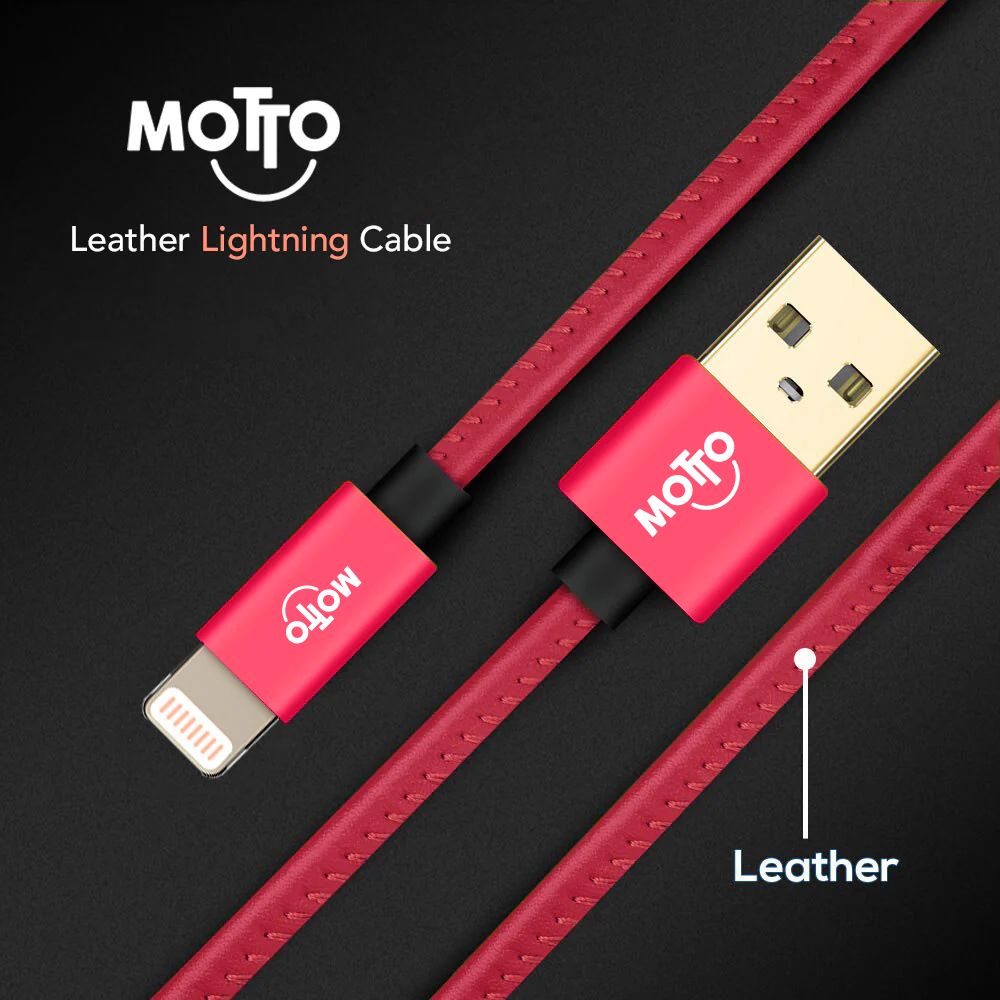
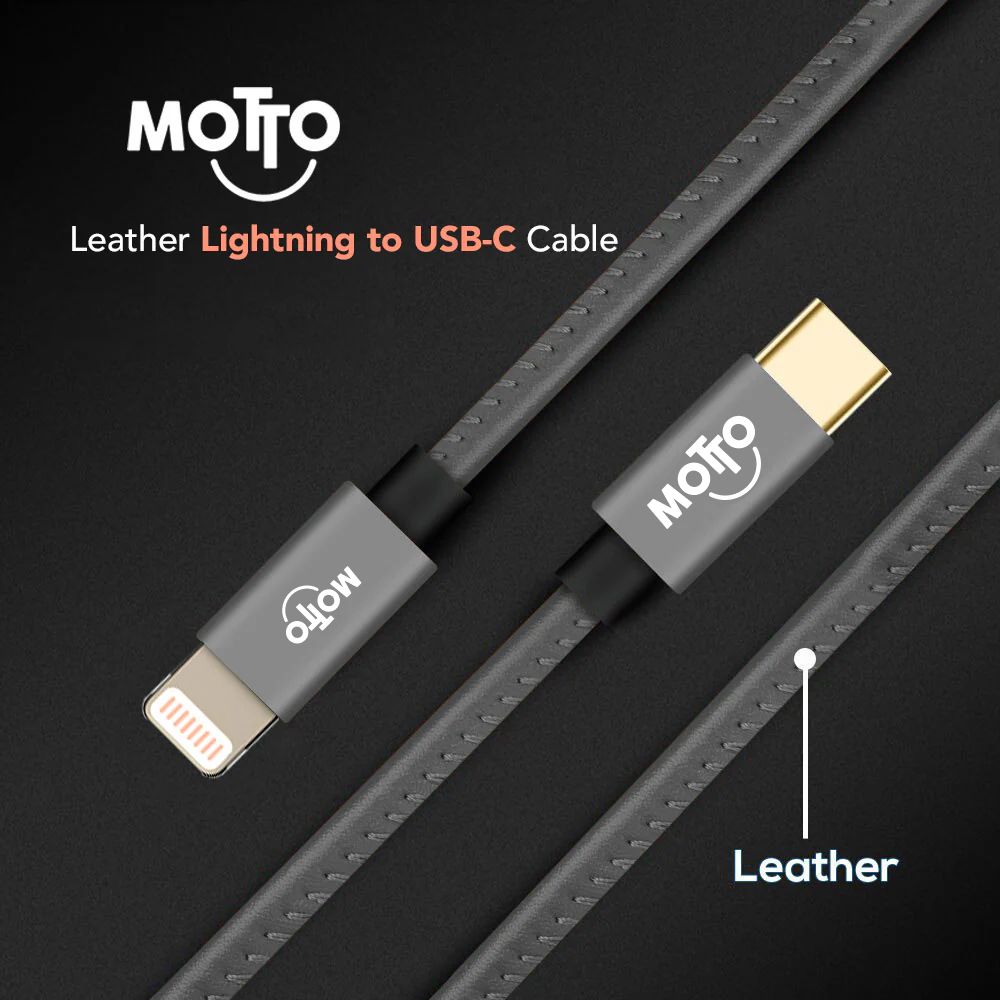
These carefully selected pieces represent the perfect blend of functionality and style. Each item has been chosen for its quality craftsmanship and timeless appeal, ensuring that your investment will last for seasons to come.
What "Braided" Actually Means
Braided cables use a woven outer jacket — typically nylon, polyester, or Kevlar fiber — wrapped tightly around the cable's inner wires. The weave creates a protective mesh that's more resistant to cuts and abrasion than bare rubber. The problem is the entry and exit points. Every braided cable has two stress concentration zones: where the braid meets the connector housing at each end. The braid can't flex as a unit at these joints — it resists, then splits. This is why braided cables almost universally fail at the connector tip first, not in the middle of the cord. What braided does well: Excellent resistance to cuts and snags mid-cord Tangle-resistant (the texture adds friction that prevents looping) Feels premium in hand Where braided falls short: Fraying at connectors under repeated bend cycles Weave separation can expose inner wires while still charging Once the braid starts unraveling, it accelerates quickly What "Leather-Wrapped" Actually Means Leather-wrapped cables replace the outer jacket with a full-grain or bonded leather wrap, typically reinforced at the connector strain relief points. The leather acts as a continuous, flexible sleeve — it bends with the cable rather than against it. The key mechanical difference: leather distributes bend stress across a wider surface area instead of concentrating it at one point. This is the same principle behind leather hinges on journals or bookbindings — the material is flexible enough to absorb repetitive motion without fracturing. Motto's leather-wrapped cables, for example, are tested to 10,000+ bend cycles — a standard stress test that simulates thousands of daily connect/disconnect and coiling motions. At the same bend cycle counts where nylon braid begins to fray and separate at connector joints, leather remains structurally intact. What leather does well: Uniform flex across the full cable length — no weak points Reinforced strain relief at connectors handles the highest-stress zones Ages with character rather than visibly degrading Premium aesthetic that looks appropriate on a desk or in a bag Where leather differs: Less cut-resistant mid-cord compared to woven Kevlar braids Requires some break-in period before reaching peak flexibility Not all "leather" cables use the same quality wrap — full-grain vs. bonded matters The Bend Cycle Test: Where the Gap Opens Up The industry standard for cable durability is the IEC 62368 bend cycle test — a machine repeatedly bends the cable at a 90-degree angle at a fixed rate, counting cycles until the cable fails (loses continuity or shows structural damage). Here's how the materials typically compare in controlled testing: Cable Type Avg. Bend Cycles at Connector Mid-Cable Abrasion Failure Mode Standard rubber/PVC ~1,000–2,000 Poor Crack at connector Nylon braided ~3,000–6,000 Excellent Fray/split at connector tip Leather-wrapped (reinforced) 10,000+ Good Minimal — leather flex distributes stress Kevlar-core braided ~8,000–12,000 Excellent Jacket separation at extreme cycles Motto leather-wrapped cables are built and tested to the 10,000+ benchmark, placing them competitively against even Kevlar-reinforced braids — at a fraction of the price (starting at $9.99). The practical takeaway: if your cables keep dying at the tip near the plug, a leather-wrapped cable with reinforced strain relief solves the exact failure mode you're experiencing. Real-World Durability Factors Beyond Bend Cycles Lab tests don't tell the whole story. Here are the real-world variables that determine which cable survives longer in your bag or on your desk: 1. How you store it Tight coiling is the enemy of braided cables — it concentrates stress at the ends. Leather cables tolerate loose coiling far better due to their flexible outer layer. 2. How you unplug it Yanking by the cord (not the connector) destroys cables regardless of material. But leather-wrapped cables with molded strain relief handles this abuse better than braids whose weave slides against the housing. 3. Temperature and humidity Braided nylon absorbs moisture and can mildew in humid climates. Full-grain leather is naturally moisture-resistant when properly finished. Both degrade in extreme heat over time. 4. Desk vs. travel use For stationary desk setups, both perform well. For daily travel — in and out of bags, wrapped and unwrapped, plugged and unplugged constantly — leather's consistent flexibility gives it a durability edge. Aesthetics: The Factor No One Wants to Admit Matters A cable sitting on your desk or nightstand is visible. After six months, a fraying braided cable looks cheap and messy. Leather ages differently — it develops a patina, softens, and often looks better with use, not worse. This is the design principle Motto was built on: cables that look as good as they perform. If your workspace, bedside table, or bag matters to you aesthetically, leather-wrapped cables are the only category that genuinely upgrades the look rather than just protecting the wire inside. Motto Leather Cable Options at a Glance Motto makes leather-wrapped cables across every major connector type and length, all starting at $9.99: Cable Charging Speed Lengths Price USB-C to USB-C 65W fast charge 3FT / 6FT / 10FT $9.99–$14.99 USB-A to USB-C Standard fast charge 3FT / 10FT $9.99–$14.99 USB-C to Lightning 20W fast charge 6FT $12.99 Lightning to USB-A 20W fast charge 3FT / 10FT $9.99–$14.99 All cables are tested to 10,000+ bend cycles, use a full-grain leather outer wrap, and include reinforced connector strain relief — the zone where most cables fail first. Which Should You Buy? Choose a leather-wrapped cable if: Your cables routinely die at the connector tip You want something that looks premium on a desk or nightstand You travel frequently and coil/uncoil cables daily You're buying as a gift (leather photographs well and feels genuinely premium unboxed) A braided cable makes sense if: You need maximum cut and abrasion resistance (e.g., cables run along sharp edges or through tight spaces) Mid-cord durability matters more than connector longevity You prefer a more technical, utility-focused aesthetic For most people — daily charging at home, at a desk, in a car, or in a bag — a well-built leather-wrapped cable with reinforced strain relief outlasts braided alternatives where it counts most: at the connector, where every cable eventually fails. Frequently Asked Questions Will the leather crack or peel over time? Motto cables use full-grain leather reinforced at the strain relief points, tested to 10,000+ bend cycles. Full-grain leather flexes without cracking under normal use. Lower-quality "bonded leather" or PU-coated cables are a different story — check what type of leather wrap is actually used before purchasing. Are leather-wrapped cables compatible with fast charging? Yes. The leather is an outer jacket only — it doesn't affect the internal wiring or charging spec. Motto's USB-C to USB-C leather cables support 65W Power Delivery fast charging, compatible with MacBook Air, Samsung Galaxy, and USB-C iPhones. How do I clean a leather charging cable? Wipe with a slightly damp cloth and allow to air dry. Avoid submerging or using alcohol wipes repeatedly, as this can dry out the leather over time. A light leather conditioner applied every few months extends the life of the wrap. Do leather cables work with iPhone 15 and later (USB-C)? Yes. Motto's USB-C to USB-C 65W leather cable is fully compatible with iPhone 15 and later models, as well as all USB-C iPads and MacBooks. Are Motto cables available in different lengths? Yes — 3FT, 6FT, and 10FT options are available across most connector types. The 3FT is ideal for desk or nightstand use, 6FT for couch setups, and 10FT for travel or larger workspaces. Motto is a Dallas-based accessories brand founded in 2017, specializing in leather-wrapped cables and audio gear designed to balance performance, durability, and premium aesthetics — at prices that start at $9.99.